If you work in industries that require the transportation of heavy equipment and machinery, then you are likely familiar with the challenges of loading and unloading such items onto trucks. One solution to this problem is the use of a beavertail flatbed, a specialized type of truck bed specifically designed for easy loading and unloading of oversized and heavy cargo.
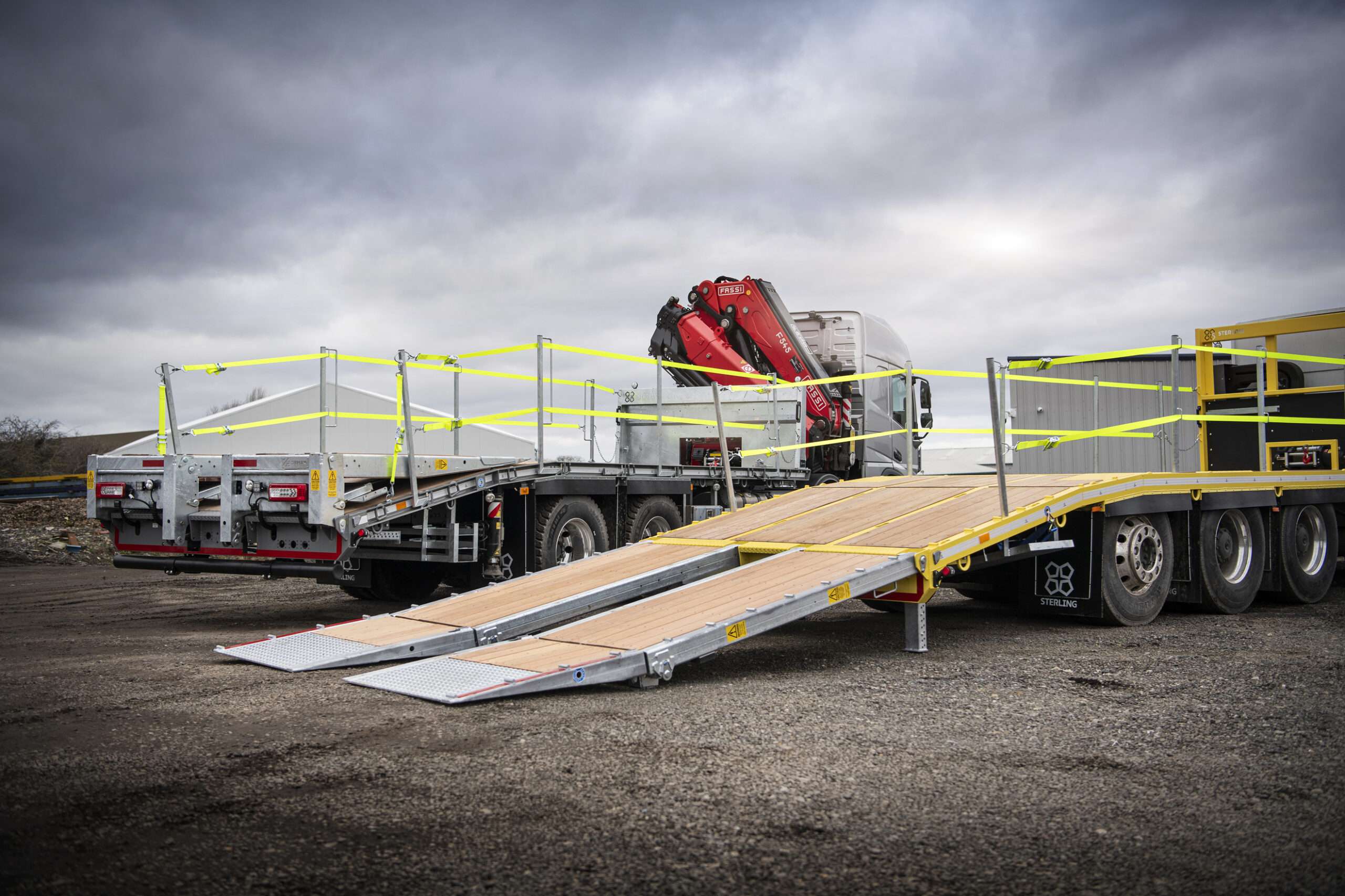
A beavertail flatbed, also known as a drop deck or lowboy trailer, features a unique design that sets it apart from traditional flatbeds. The key distinguishing feature of a beavertail flatbed is the sloping rear section that extends beyond the rear wheels of the truck. This sloping section, or “beavertail,” allows for smoother loading and unloading of heavy equipment by providing a gentle incline for items to be rolled or driven onto the truck bed.
One of the main advantages of using a beavertail flatbed is the ease with which heavy machinery and equipment can be loaded onto the truck. The sloping beavertail section eliminates the need for ramps or lifts, making the process of loading and unloading much more efficient and safer. This is especially important when dealing with oversized items that may be difficult to maneuver onto a traditional flatbed truck.
In addition to the practical benefits of easier loading and unloading, beavertail flatbeds also offer increased stability and safety during transport. The design of the beavertail helps to distribute the weight of the cargo more evenly across the bed of the truck, reducing the risk of shifting or tipping during transit. This can help to prevent damage to both the cargo and the truck itself, as well as ensuring the safety of the driver and other road users.
Another advantage of using a beavertail flatbed is the versatility it offers in terms of the types of cargo that can be transported. Thanks to the low profile and extended length of the beavertail section, oversized and awkwardly shaped items can be loaded onto the truck with ease. This makes beavertail flatbeds ideal for carrying a wide range of equipment, such as construction machinery, agricultural machinery, and vehicles like forklifts and scissor lifts.
When it comes to choosing a beavertail flatbed for your transportation needs, there are a few key factors to consider. The size and weight capacity of the flatbed will be important considerations, as you will need to ensure that it is capable of safely carrying your cargo. You should also think about the specific requirements of the items you will be transporting, such as the need for tie-down points, ramps, or additional safety features.
It is also important to consider the type of truck that will be used to tow the beavertail flatbed. The truck should be appropriately sized and equipped to handle the weight and size of the flatbed and cargo, as well as being in good working condition to ensure safe and reliable transportation. Regular maintenance and inspections of both the truck and the flatbed are essential to prevent any issues that could compromise safety or efficiency.
In conclusion, beavertail flatbeds are a practical and efficient solution for transporting heavy equipment and machinery. Their unique design offers a number of advantages, including easier loading and unloading, increased stability and safety, and versatility in terms of the types of cargo that can be carried. By choosing a beavertail flatbed that meets your specific requirements and maintaining it properly, you can ensure that your transportation needs are met safely and efficiently.
Whether you work in construction, agriculture, or any other industry that requires the transportation of heavy equipment, a beavertail flatbed could be the perfect solution for your needs. Consider the benefits of this specialized truck bed and how it could improve the efficiency and safety of your transportation operations. With the right equipment and proper planning, you can make the process of loading, transporting, and unloading heavy cargo a breeze with a beavertail flatbed.